Bedroom furniture shapes the sanctuary quality of a sleeping space, balancing aesthetics with function. This category covers essential elements such as beds, headboards, and frame materials that influence support, durability, and comfort. Understanding how different constructions interact with mattresses and bedding helps optimize night-long rest and overall room harmony. Key terms include bedding, pillows, and travel pillows within a broader discussion of sleep ergonomics.
Timber, metal, and upholstered bed frames offer distinct benefits for durability, style, and maintenance. Within the bedroom furniture category, attention is given to frame construction, joinery, and finishing touches that affect long-term stability and ease of care. Materials and design influence airflow, temperature regulation, and the ease of repositioning a mattress over time.
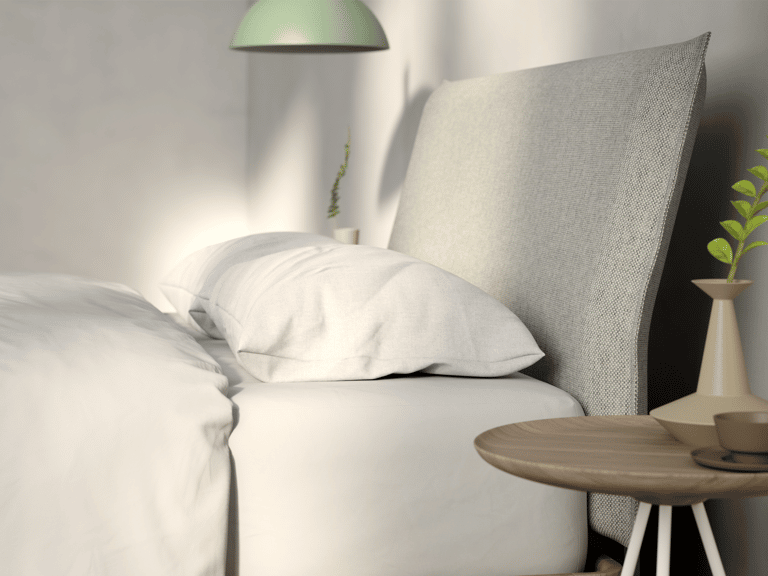
The Carolina Upholstered Bed exemplifies how fabric upholstery, cushioning, and a tailored silhouette contribute to a refined bedroom aesthetic while providing a stable base for various mattress types. Its design considerations include slip-free support, ease of cleaning, and compatibility with standard queen or king sizes, bolstering daily usability and comfort.
The Modern American Trellis Bed illustrates characteristic geometric headboard patterns and solid framing that uphold both visual interest and practical support. With slatted or solid foundations, this model highlights how bed architecture interacts with mattress height, under-bed storage possibilities, and airflow, impacting sleep quality and room organization.
Within this category, pillows and bedding are integral to overall sleep ergonomics. Latex and down pillows offer different density, temperature regulation, and longevity, while travel pillows emphasize compact support for varied sleeping environments. Understanding these materials helps tailor comfort levels, back support, and neck alignment for personalized rest.
 Furniture